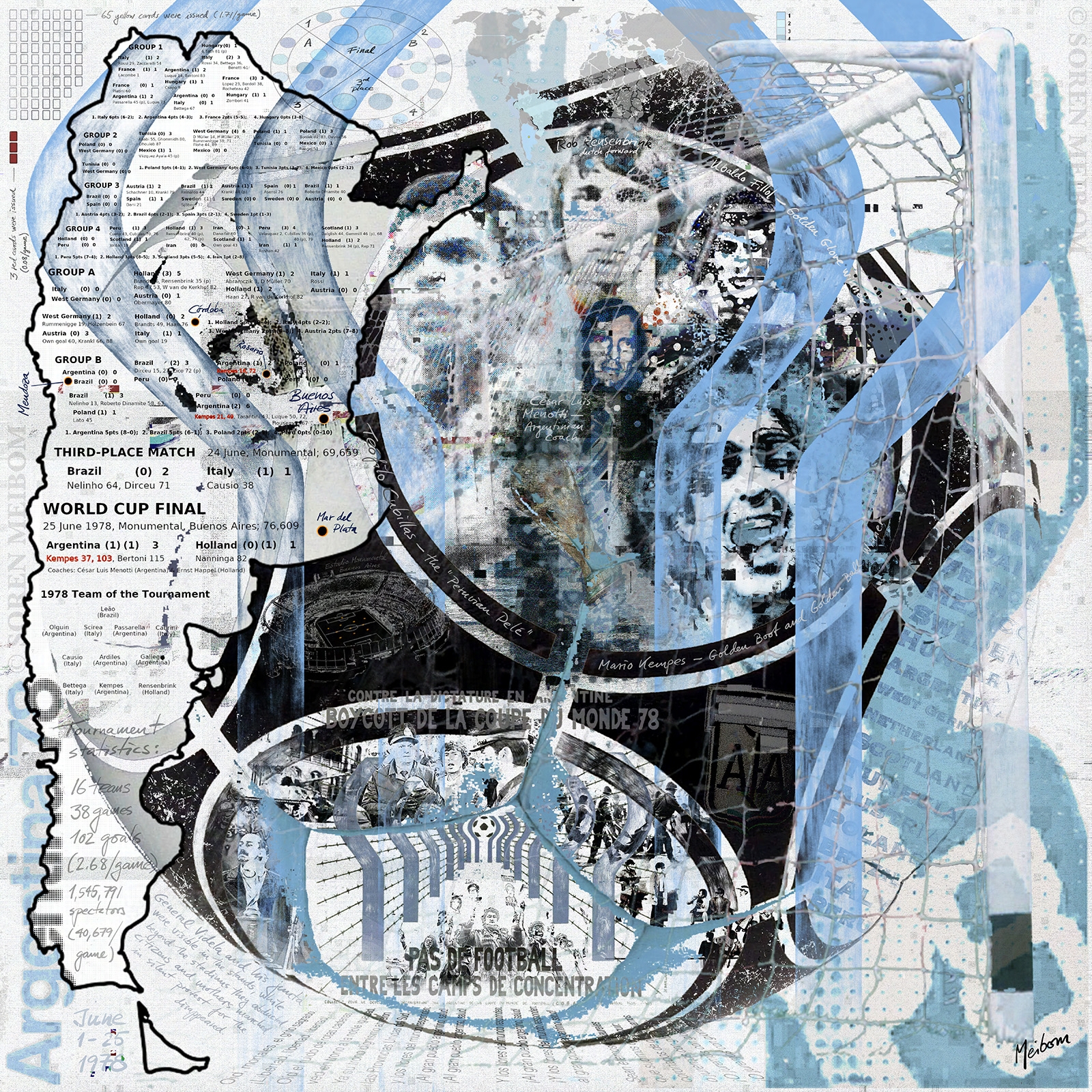
The 1978 World Cup in Argentina unfolded in a nation gripped by dictatorship. Argentina’s military junta, led by General Videla, used the tournament to project an image of unity and prosperity while repression, disappearances, and censorship were rampant. Local resistance movements and international protests challenged this spectacle, turning the World Cup into a contest over truth as much as sport.Yet even amid the darkness, the soccer shone. Under coach César Luis Menotti’s expansive philosophy, Argentina played expressive, attacking soccer—a striking contrast to the regime’s rigidity.Goalkeeper Ubaldo Fillol anchored the team’s calm, while striker Mario Kempes, the tournament’s top scorer, embodied its brilliance and nerve. Across the field, talents like Teófilo Cubillas of Peru and Rob Rensenbrink of the Netherlands brought moments of grace and invention that transcended politics.The final in Buenos Aires was a fevered culmination: confetti, drums, and a 3–1 victory over the Netherlands that crowned Argentina world champion for the first time. Yet even amid the celebration, the 1978 World Cup remained haunted by contradiction—a triumph of beauty and passion staged in the shadow of fear.
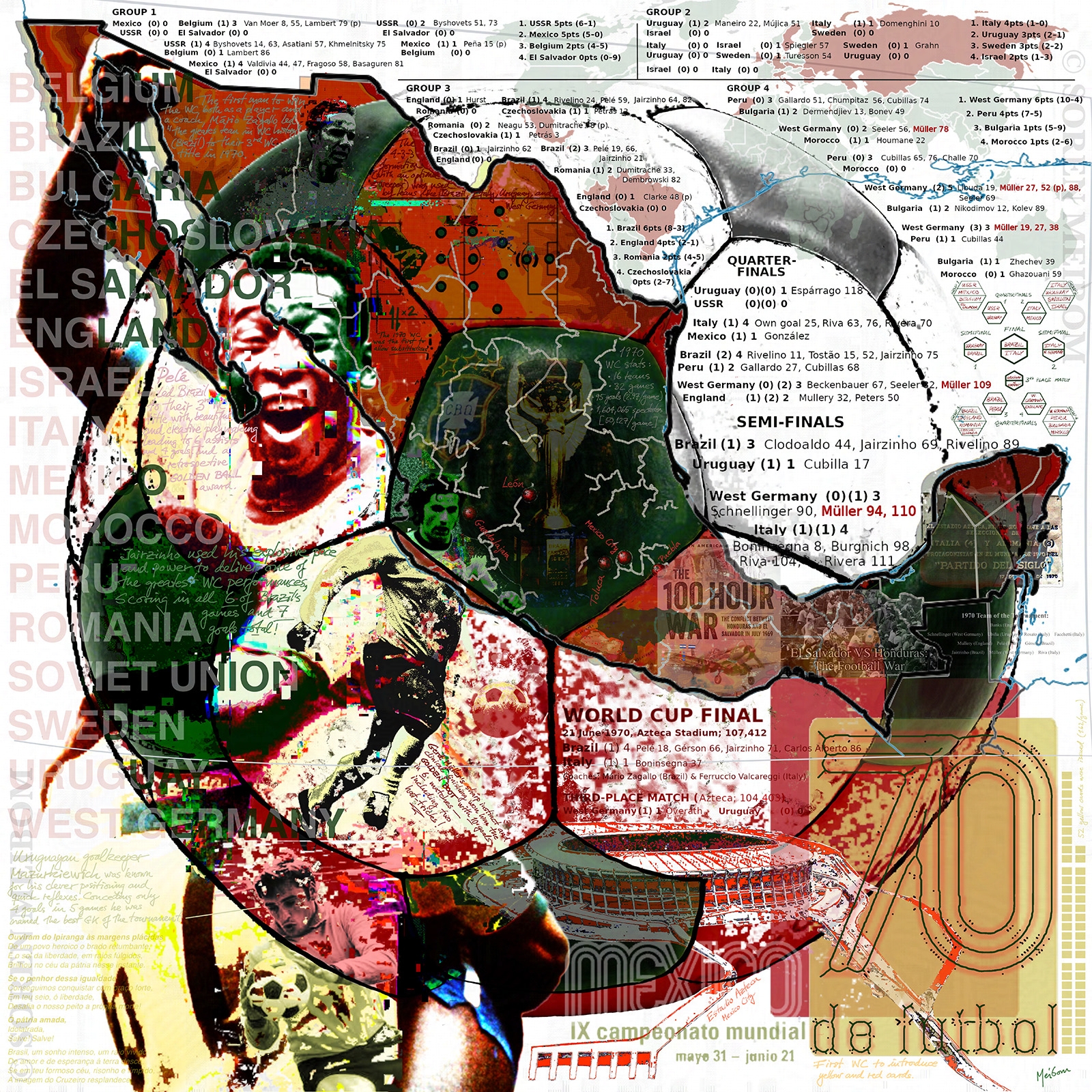
The 1970 World Cup in Mexico marked a bright turning point in soccer history —the first played in North America and the first broadcast live in color to a truly global audience. The tournament kept the compact 16-team format of 4 groups feeding directly into the quarterfinals. It introduced yellow and red cards and substitutions for the first time, and used goal difference as a formal tiebreaker, giving the competition a more modern feel. Played at high altitude and in extreme heat, it became a test of stamina as much as skill, yet the soccer remained daring, fluid, and unusually attacking. Beyond the field, qualification had already produced the brief but deadly 100-hour Football War between El Salvador and Honduras, showing how quickly soccer could become entangled with nationalism, violence, and political grievance. Against that backdrop, the tournament opened out into something vivid and new: Pelé’s final World Cup, Brazil’s dazzling attack, Italy’s steel, West Germany’s resolve, and Peru’s flair all helped turn Mexico 1970 into more than a championship. It felt like the moment the World Cup became visually and culturally unforgettable.
See the full picture in the content guide
[For full screen view select presentation mode from top right corner of PDF viewer]